
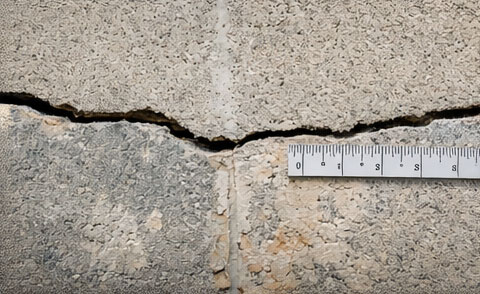
In Canada, the transition from winter to spring is more than just a change in the weather; it is a high-stakes period for homeowners. As the massive snow accumulation begins to melt, the ground undergoes a dramatic shift in moisture levels and pressure.
Ignoring a small crack in your foundation during the freezing months might seem like a task for “future you,” but that neglect can lead to a literal washout. When the spring thaw arrives, the sudden influx of water seeks the path of least resistance—which is often right through your basement walls.
Addressing these vulnerabilities now is the most effective way to safeguard your property and your wallet.
Understanding the Freeze-Thaw Cycle
The Canadian climate is notorious for the “freeze-thaw” cycle, where water trapped in soil or existing cracks expands as it turns to ice and contracts when it melts. This constant movement exerts immense hydrostatic pressure against your foundation, turning hairline fractures into significant structural gaps.
- Ice Expansion: Water expands by approximately 9% when it freezes, acting like a slow-motion wedge inside your concrete.
- Soil Shifting: As the frost line recedes, the soil around your home becomes saturated and unstable, leading to foundation settling.
- Widening Gaps: What was a 1mm crack in December can easily double in size by late March due to these thermal stresses.
Proactive repairs stop this cycle in its tracks before the ice has a chance to finish its destructive work. By sealing the concrete now, you ensure the structural integrity remains intact during the most volatile weather months.
Preventing the “Basement Swimming Pool”
Once the snowpack begins to melt, the volume of water surrounding your home can reach thousands of litres in a matter of days. If your foundation has unaddressed cracks, this water will find its way into your living space, leading to a frantic and expensive emergency.
- Seepage Control: High water tables during the thaw force water through even the smallest porous openings.
- Sump Pump Stress: Unrepaired cracks increase the workload on your sump pump, risking mechanical failure during peak flow.
- Finished Basement Risk: The cost of repairing a crack is a fraction of the cost of replacing moisture-damaged drywall, flooring, and insulation.
It is much easier to apply an injection or sealant to a dry crack in the winter than to attempt a repair while water is actively gushing through the wall. Early intervention ensures your basement remains a dry, functional part of your home throughout the wet season.
Avoiding Mould and Mildew Growth
Spring moisture combined with rising temperatures creates the perfect incubator for mould and mildew. When meltwater seeps into your foundation walls and gets trapped behind insulation or under floorboards, it sets the stage for air quality issues that can affect your family’s health.
- Organic Material: Mould feeds on the paper backing of drywall and wood framing once they become damp from foundation leaks.
- Spore Distribution: Once mould takes hold in the basement, your HVAC system can distribute spores throughout the entire house.
- Odour Issues: That “musty basement” smell is a direct result of moisture reacting with concrete and organic building materials.
Addressing cracks before the thaw keeps the moisture out, effectively starving mould of the environment it needs to grow. Keeping your home dry is the first and most important step in maintaining a healthy indoor environment.
Financial Savings and Property Value
Emergency foundation repairs during a spring flood are significantly more expensive than scheduled maintenance in the winter. Furthermore, a home with a history of basement leaks or visible foundation cracks can see a sharp decline in market value when it comes time to sell.
- Contractor Availability: Foundation specialists are often overwhelmed with emergency calls during the spring; booking now ensures you get expert attention.
- Preventative vs. Reactive: Injection repairs (like polyurethane or epoxy) are affordable compared to the excavation required for major structural failures.
- Insurance Premiums: Many Canadian insurance policies have specific limits on “seepage” vs. “flooding,” and preventing the leak altogether avoids a potential claim denial.
Think of foundation repair as an investment in your home’s equity rather than just another chore. A dry, solid foundation is a major selling point in the Canadian real estate market and provides peace of mind for years to come.
Utilizing Modern Low-Temperature Materials
Many homeowners falsely believe that foundation repairs cannot be done during a Canadian winter, but modern technology has changed the game. Professionals now use specialized materials that cure perfectly even when the thermometer dips below zero.
- Polyurethane Injections: These resins react with moisture and expand to fill the entire depth of the crack, creating a flexible, waterproof seal.
- Epoxy Bonds: For structural cracks, high-strength epoxies can be used to “weld” the concrete back together, restoring its original strength.
- Indoor Application: Most residential crack repairs are performed from the inside of the basement, meaning the outdoor temperature doesn’t stop the work.
These advanced solutions allow for permanent fixes regardless of the snow piling up outside your door. You don’t have to wait for the “perfect day” to protect your home—the best time is always before the water starts moving.
Secure Your Home Before the Melt Begins
The window of opportunity to protect your foundation is closing as the days get longer and the temperatures begin to climb. Taking action today means you can enjoy the first signs of spring without the dread of checking your basement every time it rains or the snow melts.
A small investment in repair now prevents a massive headache later, ensuring your home remains the safe, dry sanctuary it was meant to be.