
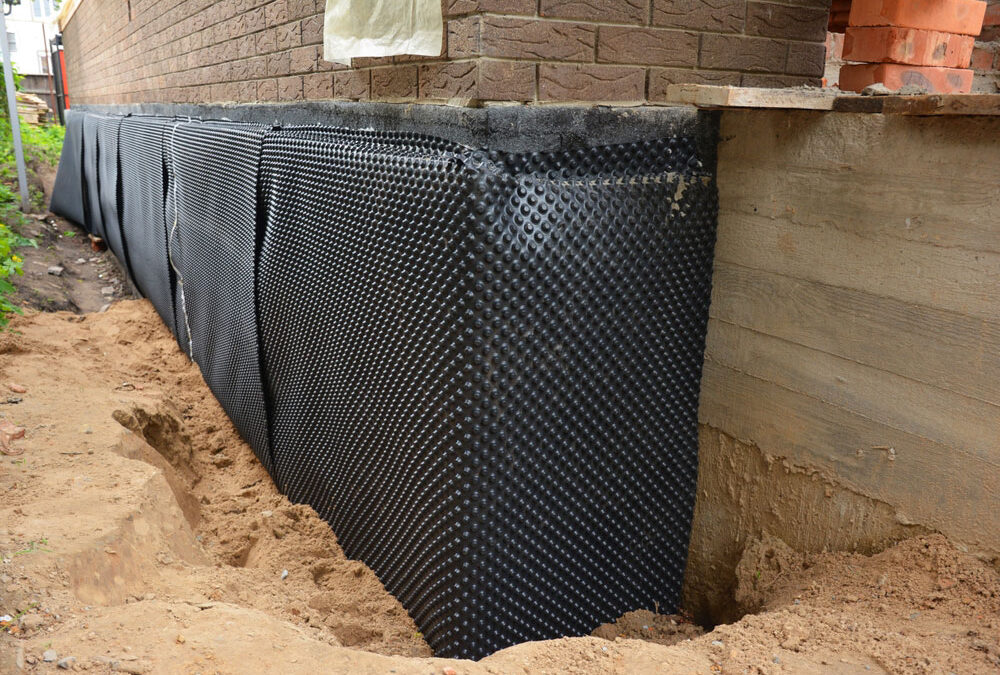
In Ontario, the basement is often the frontline in a constant battle against the elements. From the humid summers of the Golden Horseshoe to the heavy snow loads and rapid spring thaws in the North, our homes endure extreme moisture fluctuations. Because many Ontario basements are finished as living spaces, home offices, or rental suites, water damage isn’t just a structural concern—it’s a threat to your health, your property value, and your monthly budget.
Water damage rarely announces itself with a dramatic flood; instead, it often begins as a subtle, creeping issue that hides behind drywall or under floorboards. Identifying these signs early can be the difference between a simple dehumidifier fix and a $20,000 foundation excavation. For homeowners in the GTA and surrounding regions, being proactive is the only way to ensure your “below-grade” investment stays dry and habitable.
The Presence of Efflorescence (White Chalky Powder)
Efflorescence is a common sight in older Ontario basements, appearing as a white, sparkling, or powdery substance on concrete or brick walls. While it looks like mould, it is actually a mineral deposit left behind when water evaporates from the masonry.
- Mineral Migration: As groundwater seeps through porous concrete, it carries salts and minerals that crystallize on the interior surface.
- Moisture Trail: The presence of these crystals proves that water is moving entirely through your foundation wall, even if the wall feels dry to the touch right now.
- Capillary Action: This process acts like a wick, drawing moisture from the saturated Ontario soil into your home’s structural skeleton.
If you can brush the powder off and it doesn’t appear “fuzzy” like mould, you are likely dealing with efflorescence. While the powder itself isn’t toxic, it is an undeniable “smoking gun” that your exterior waterproofing has been compromised.
Peeling Paint and Bubbling Drywall
In a finished basement, the signs of water damage are often masked by aesthetic finishes. However, when moisture gets trapped between the foundation and the interior finish, it causes the paint to lose its bond and the drywall to lose its structural integrity.
- Latex Failure: Modern interior paints often bubble or “pucker” as water vapour tries to escape from the wall behind it.
- Soft Spots: Pressing on your baseboards or the lower six inches of drywall can reveal “spongy” areas where moisture has accumulated.
- Staining: Look for yellow, tea-coloured, or dark brown rings on the ceiling or walls, which indicate a slow, persistent leak or a backup in the plumbing.
These visual cues are often ignored as “wear and tear,” but in a basement, they are almost always moisture-related. Catching these signs early prevents the need to “gut” the entire room to address a localized foundation crack.
Persistent Musty Odours and Air Quality Changes
Ontario homeowners often accept a “basement smell” as a fact of life, but a healthy basement should smell exactly like the rest of the house. That damp, earthy, or pungent odour is actually the smell of microbial volatile organic compounds (mVOCs) produced by mould and bacteria.
- Humidity Spikes: If your basement feels “heavy” or “sticky” even when the air conditioner is running, your humidity levels are likely above the 50% safety threshold.
- Mould Colonization: Odours often precede visible mould growth, as spores begin to thrive in the dark, damp cavities behind your insulation.
- HVAC Issues: Your furnace and AC system can pull this tainted air from the basement and circulate it through every bedroom in the house.
If you find yourself avoiding the basement because of the smell, your home is sending you a clear distress signal. High humidity is the primary catalyst for structural rot and respiratory issues, making it a priority for any homeowner.
Cracks in the Foundation Floor or Walls
While some settling is normal in the heavy clay soils of Southern Ontario, certain types of cracks are definitive pathways for water ingress. During the spring “freshet,” these cracks act like straws, drawing groundwater directly into your home.
- Floor Heaving: Cracks in the basement floor that show signs of “heaving” (one side higher than the other) suggest significant hydrostatic pressure underneath the slab.
- Corner Cracks: Fissures that originate in the corners of the foundation are often linked to poor eavestrough drainage or a failing sump pump.
- Rust Stains: If you see orange or reddish streaks bleeding out of a crack, the water is corroding the internal steel reinforcement (rebar) of your home.
A crack is more than just a blemish; it is a structural vulnerability that will only widen over time due to Ontario’s harsh freeze-thaw cycles. Sealing these from the interior or exterior is a mandatory step in any water-management strategy.
Malfunctioning Sump Pumps and Floor Drain Backups
In many parts of Ontario, the sump pump is the heart of the home’s flood-prevention system. If the pit is constantly overflowing or the pump is cycling every few minutes, your drainage system is struggling to keep up with the local water table.
- Pump Fatigue: A pump that runs non-stop during a rainstorm is at high risk of burning out, leaving your basement vulnerable to a flash flood.
- Floor Drain Dampness: If the area around your floor drain is consistently wet or stained, it may indicate a blockage in the main sewer line or a backup in the weeping tiles.
- Check Valve Issues: A loud “thunking” sound when the pump turns off can indicate a failing check valve, allowing water to flow back into the pit and waste electricity.
Your sump pump and floor drain are your last lines of defence against a catastrophic basement flood. Regular testing—especially before the spring melt—is a non-negotiable part of Ontario homeownership.
Secure Your Foundation Before the Next Storm
Water damage is a progressive problem that never resolves itself without intervention. By identifying these five warning signs today, you are protecting your family from mould, securing your home’s structural integrity, and avoiding the massive financial burden of a late-stage basement restoration.
Don’t let a small damp spot turn into a major renovation; take control of your basement’s health now to ensure a dry, safe, and valuable home for years to come.